About This Product
Epsom Salt for Plants – Benefits, Uses & How to Apply for Healthy Growth
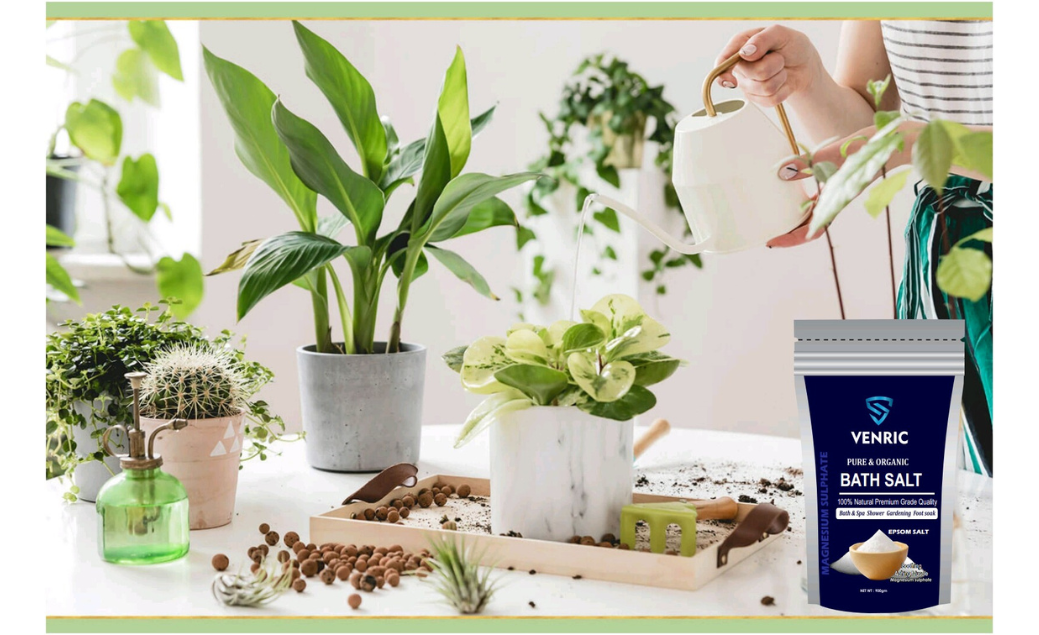
Epsom Salt, scientifically known as Magnesium Sulphate, is a popular gardening supplement used to support healthy plant growth. Unlike regular table salt, Epsom Salt does not contain sodium and is safe for use in gardens when applied correctly. It provides magnesium and sulfur, two essential nutrients that help plants grow stronger and greener.
Many gardeners use Epsom Salt to improve plant vitality, enhance leaf color, and support flower and fruit production.
What is Epsom Salt?
Epsom Salt is a naturally occurring mineral compound made of magnesium and sulfate. Magnesium plays an important role in chlorophyll production, which is necessary for photosynthesis. Sulfur supports enzyme function and overall plant development.
When soil lacks magnesium, plants may show signs like yellowing leaves or slow growth. In such cases, Epsom Salt can be used as a supplemental nutrient source.
Benefits of Epsom Salt for Plants
1. Supports Greener Leaves
Magnesium helps in chlorophyll production, which may enhance leaf color and overall plant health.
2. Encourages Flowering & Fruiting
Some gardeners use Epsom Salt to support blooming and fruit development in plants like tomatoes and peppers.
3. Improves Nutrient Absorption
Magnesium may help plants absorb essential nutrients like nitrogen and phosphorus more effectively.
4. Helps in Seed Germination
In small quantities, it may help strengthen seedlings and encourage healthy root development.
5. Suitable for Multiple Plant Types
Commonly used for:
• Tomato plants
• Pepper plants
• Rose plants
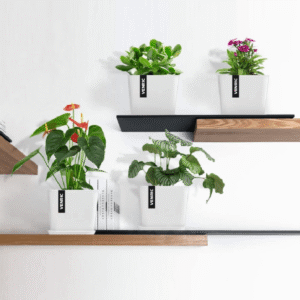
• Indoor plants
• Lawn care
• Balcony garden plants
How to Use Epsom Salt for Plants
Method 1: Soil Application
Mix 1 tablespoon of Epsom Salt per foot of plant height into the soil and water normally.
Method 2: Liquid Spray
Dissolve 1–2 tablespoons in 1 liter of water. Spray on leaves once a month.
Method 3: For Potted Plants
Add 1 teaspoon in 1 liter of water and apply every 3–4 weeks.
Method 4: For Lawns
Dissolve in water and spray evenly across the lawn area.
Important Tips
• Do not overuse – excess magnesium can imbalance soil nutrients.
• Always dissolve completely before spraying.
• Test on a small area before full application.
• Use monthly or as needed.
Signs Your Plants May Need Magnesium
• Yellowing leaves (especially between veins)
• Slow growth
• Weak stems
• Poor flowering
If these symptoms appear, Epsom Salt may help as a supplemental nutrient.
Is Epsom Salt Safe for Plants?
Yes, when used in proper quantity. It is widely used by home gardeners as part of plant care routines. However, it should not replace balanced fertilizers. It works best as a supplement when magnesium deficiency is suspected.
Final Thoughts
Epsom Salt can be a simple and affordable addition to your gardening routine. Whether you have indoor plants, terrace gardens, or outdoor landscapes, proper use of magnesium sulfate may help maintain healthy and vibrant plants.
Regular and controlled use can support greener leaves, stronger stems, and better overall plant growth.


Prerna –
This Epsom bath salt has been very beneficial for me. My doctor suggested using Epsom salt for my foot pain, so I ordered this product from Amazon. I have been using it for the past 2–3 months, and it has really helped relieve my discomfort.